CASE STUDY 001 / TTK & COMBAT ENCOUNTERSPUBLIC CREDIT / LIMITED DISCLOSURE
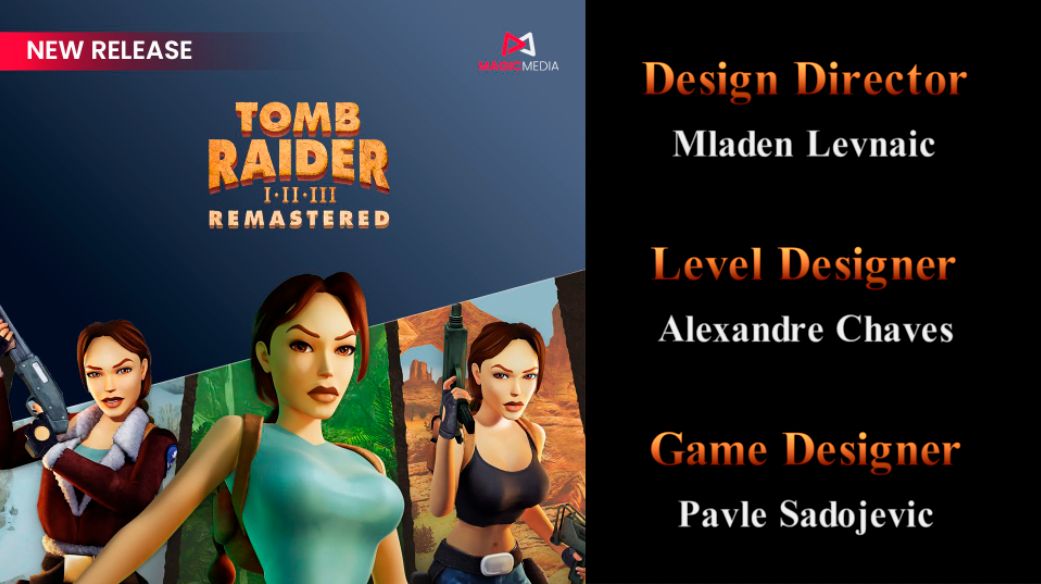
Tomb Raider I–III Remastered.
Responsible for enemy and level modifications in Challenge Mode, from new encounters to enemy CR balancing.
TOMB RAIDER I–III REMASTERED / PUBLIC RELEASE ART & CREDITS
03GAMES IN THE TRILOGY
52CAMPAIGN LEVELS
15EXPANSION LEVELS
GAME SCOPE / BREAKDOWN
Level counts by game and expansion
Game
Regions
Campaign
Expansion
Tomb Raider I
4
15
4Unfinished Business
Tomb Raider II
5
17
5The Golden Mask
Tomb Raider III
5
20
6The Lost Artifact
Game content totals, separate from the number of levels modified for Challenge Mode.
PRINCIPAL LEVEL DESIGNERTTK / COMBAT BALANCING / ENCOUNTER DESIGN
Enemy Additions & Encounter Design
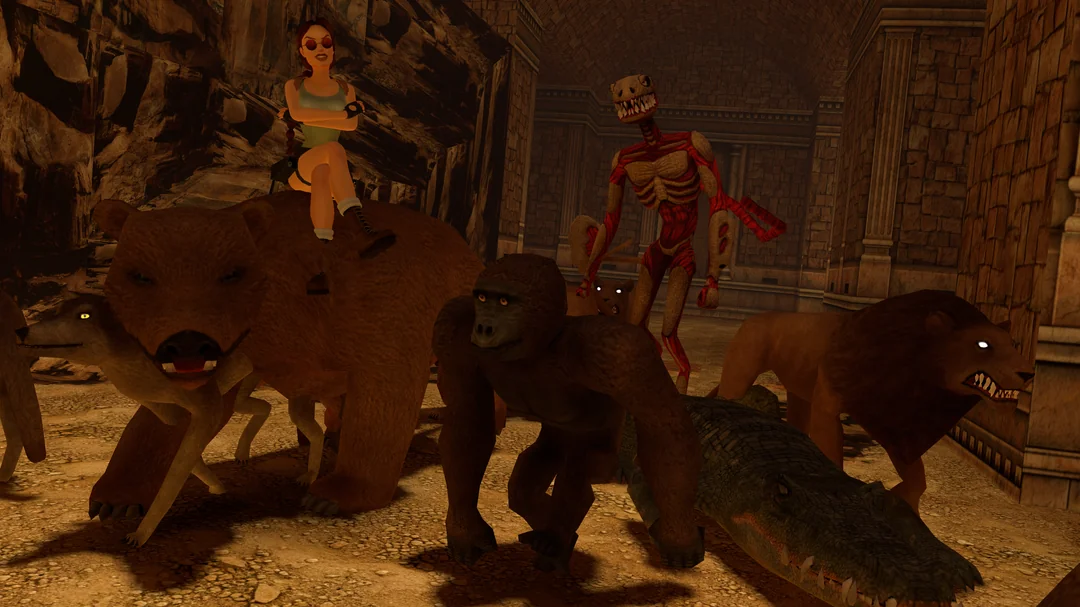
I owned enemy and level modifications for Challenge Mode in Tomb Raider I–III Remastered, from adding encounters to balancing enemy Challenge Rate (CR). I was solely responsible for enemy additions and collaborated with developers, designers, and artists on their implementation.
Scope
Challenge Mode encounter work across the trilogy. The game-wide level totals shown alongside are separate from the number of levels I modified.
Design approach
Time to Kill comparisons, enemy CR balancing, and multi-axis encounter composition within existing levels.
NDA / PORTFOLIO DISCLOSURE
This is an intentionally high-level overview. It includes my public project credit and approved portfolio imagery; detailed workflows, internal tools and documentation, metrics, unreleased content, and other non-public information are omitted.
[01]
Existing Level Modifications
Worked within classic Tomb Raider levels, adapting encounters inside pre-existing spaces.
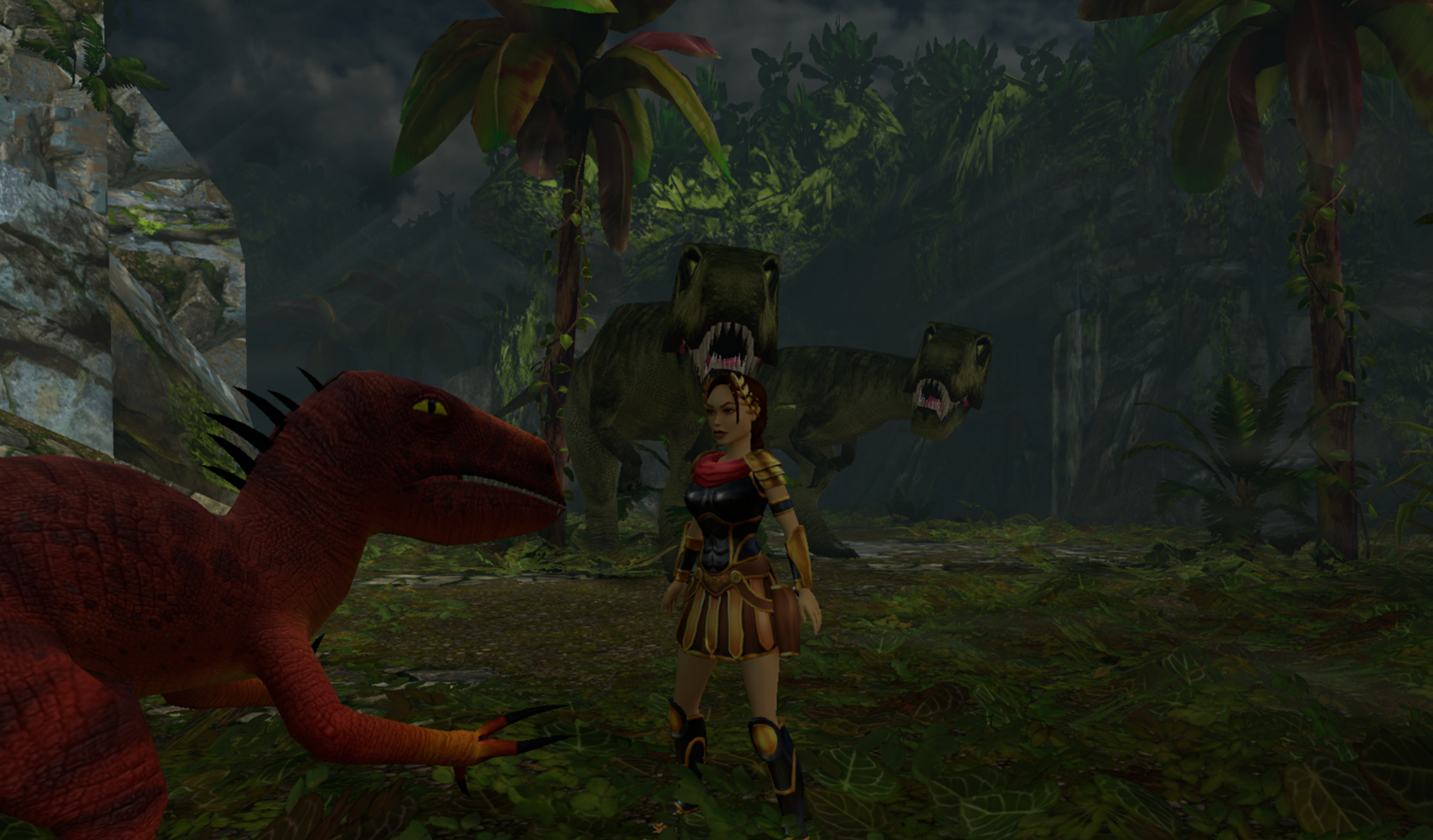
Example / Lost Valley. In Lost Valley, Lara encounters the T-Rex for the first time. Adding a second T-Rex transformed that encounter into a two-enemy fight, requiring Challenge Rate (CR) calculations that accounted for the enemy’s combat strength. The modified encounter offered an additional challenge for players pursuing a higher CR.
Compared weapons and enemy types to measure pacing and combat resolution speed.
Example / Research & comparison. I researched enemy statistics in community forums and verified their values in the game engine. I used those values to build a Time to Kill (TTK) table, comparing weapons against enemy types to assess relative combat difficulty and classify each level.
I used weapon-versus-enemy TTK comparisons to identify encounters that could become disproportionately difficult after adding enemies. I then reviewed those encounters in-game and adjusted their composition to preserve the intended challenge and pacing. Detailed calculations and production data remain confidential under NDA.
Designed enemy setups that create intentional pressure from multiple directions.
Example / Caves. In Caves, the first level of Tomb Raider I, combining bats with wolves encouraged players to shift their aim between airborne and ground-level threats. The encounter was designed to build multi-axis aiming skills, creating a more challenging combat experience that rewarded spatial awareness and target prioritization.